The Kitchen Table
What Multi-Vendor Marketplaces Get Wrong About Fulfilment
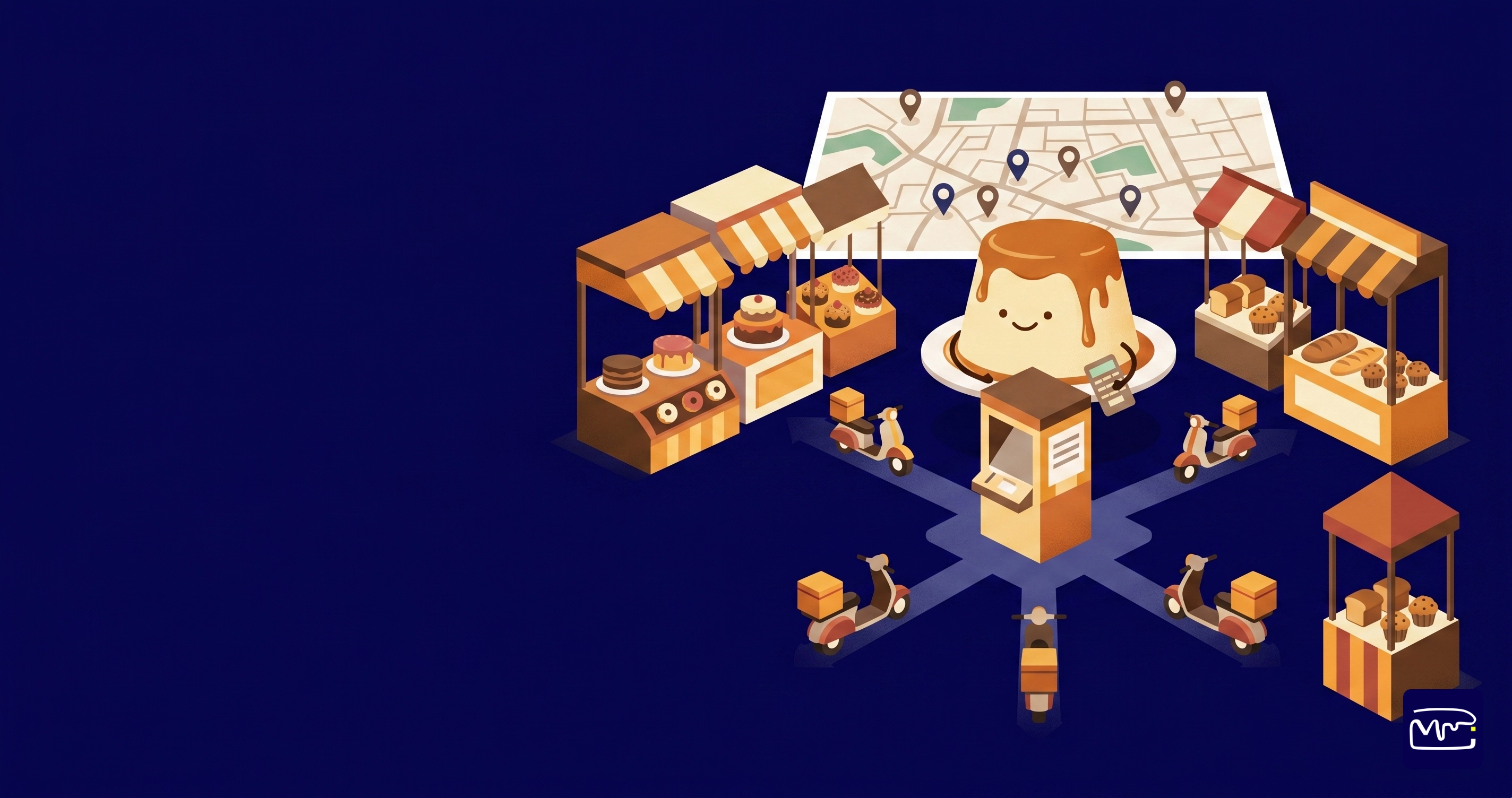
The hard part of multi-vendor marketplace development isn't the storefront. Product listings, a cart, and a checkout are well-trodden ground. The real challenge is fulfilment: getting orders from many independent vendors to customers reliably, without a person coordinating each one by hand.
Why fulfilment is the hard part
A single-seller store ships from one place. A marketplace ships from dozens. Every vendor has their own stock, their own location, and their own idea of how orders should go out. The moment you have more than a handful of vendors, the operational questions multiply: who dispatches, from where, with which courier, and how does the customer get one coherent experience out of it?
The parts you have to design
- Vendor onboarding: a clean way to bring sellers on, capture their details, and manage their catalogue.
- Order routing: deciding which vendor fulfils which line item, and splitting an order sensibly when it spans several.
- Delivery coordination: connecting to couriers and dispatch services so orders move without manual chasing.
- Payments and payouts: taking one payment from the customer and settling correctly with multiple vendors.
The lesson
For a marketplace, the storefront is table stakes. The differentiator is the operational logic underneath: vendor onboarding, order routing, and delivery coordination. Get that right and the marketplace can scale without scaling the back office. Get it wrong and every new vendor adds manual work until the whole thing seizes up. See our e-commerce and marketplace service if you are planning a build.
Free download: The E-commerce Build Readiness Checklist
Everything to sort out before you build or rebuild an online store or marketplace. Add your name, business, and email and we'll send it over, no obligation, no spam.